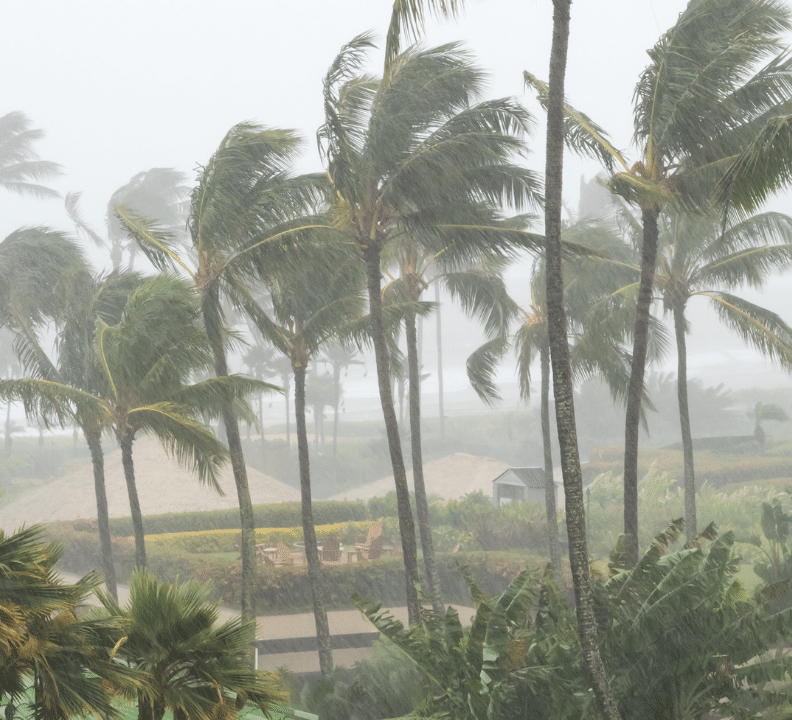
Central Pacific hurricane season runs from June 1 through November 30, and 2026 has been a painful reminder of what these storms can do. Many in our community have seen the damage firsthand, and some are still recovering. With an average of four to five tropical cyclones forming in or entering the Central Pacific each year, preparing ahead of time is one of the best ways to protect your family, your home and your finances.
A hurricane emergency fund is one practical way to get ready. Having money set aside for evacuation costs, repairs or time away from work can ease some of the stress when a storm hits and help you avoid high-interest debt. In this article, we’ll cover how much to save for a hurricane emergency fund and where to keep it. Read on to learn more, or contact HFS FCU today.
Why a Hurricane Emergency Fund Is Different From a Regular Emergency Fund
Most people start an emergency fund and save 3-6 months’ worth of essential expenses as a fallback in case of sudden job loss or another urgent financial need. However, a typical emergency fund doesn’t account for storm-specific costs, such as evacuation travel, temporary lodging, generator fuel, spoiled food replacement and more. That’s where a hurricane emergency fund comes in.
These hurricane costs often hit all at once, and they can hit when your income is also disrupted by business or work closures, causing even more financial pain.
How Much to Save
So, how much should you save in your hurricane emergency fund? Best practice is to set a baseline target of around $2,000, then scale up based on your household size, how far you’ll have to go to evacuate safely, and other factors.
Break your target amount into categories and budget for 3-5 days of expenses based on the current cost of living. These categories you’ll want to account for include:
- Food and water
- Temporary lodging
- Gas for evacuation
- Clothing or hygiene and sanitation products you may have to purchase while evacuating
- Generator fuel for power-outage scenarios
- Minor home repairs that insurance may not fully cover
The best way to save for a hurricane emergency fund is to set a target before peak season and create a monthly savings plan. For instance, if you start saving in December and want to reach your $2,000 base goal by the June peak season, you’d need to save about $285 per month.
Factors That Increase Your Target
As we noted earlier in this article, while your baseline target should be about $2,000, it can change based on several factors. For instance:
- If you own a home, it’s best practice to budget for repairs your insurance coverage may not fully cover, or may not cover at all. Check with your insurance agent so you can plan accordingly. If you rent, the landlord typically covers repairs.
- Estimate how far you are from evacuation zones and budget travel accordingly. In most cases, Hawai‘i residents must evacuate if they’re in a flood zone. In this case, gas is the biggest expense. In some cases, residents may pay for airfare to fly to another island to avoid the worst of a storm. In those cases, costs will be much higher.
- Budget accordingly for your household. For example, evacuating a family of four will likely cost more than evacuating a couple. Pets can complicate this, too. Also budget to ensure you have enough medicine or medical supplies on hand for any household members with those needs.
Where to Keep Hurricane Savings
Now let’s tackle the other big hurricane savings question: Where should you keep it?
Your best option is a separate Special Share Savings Account. This keeps it separate from your other checking and savings accounts so you don’t mix it up or accidentally spend funds dedicated to hurricane savings. It’s also a good idea to keep some of your hurricane savings as physical cash, since power outages can make money hard to access for an extended period during severe weather.
Digital Access Matters Too
Don’t underestimate the importance of having digital access to your funds in an emergency. Even if your local HFS FCU branch is closed, mobile banking is still functional. On a related note, you can visit any Bank of Hawaii ATM and access cash surcharge-free.
We also suggest enabling low-balance and large-transaction alerts before storm season starts and saving copies of your account and routing numbers, and other important documents in case you lose internet access due to power outages.
When and How to Start Building the Fund
When you start the fund is your decision, but it’s often best to do so early in the year, well before peak hurricane season. This lets you save a smaller amount each month rather than large sums as storm season approaches.
It’s easy to set aside money for your hurricane fund. We suggest automating a fixed monthly transfer from your checking into the dedicated account and rolling over any unused funds into the next year as you keep building your savings.
What Happens After the Storm
If disaster strikes, prioritize using the fund immediately to evacuate and seek shelter, then use the remaining funds to cover any repairs insurance won’t pay for. As you use funds, work to replenish them as soon as you can.
If you’re facing hardships from a weather event and can’t pay existing loans and credit cards as you recover, contact HFS FCU to make arrangements with our Loan Solutions team.
Prepare Your Finances With HFS FCU Before Hurricane Season
As a local, member-owned credit union, we’re here to serve as more than just your bank, but your financial planning resource. Now’s the time to think about the unthinkable and ensure you’re covered in the event of a major storm, hurricane, or other natural disasters. Open a dedicated savings account and set up automatic transfers into your hurricane emergency fund today. Contact HFS FCU for more information and to get started.
Frequently Asked Questions
How much money should I have saved before hurricane season starts?
Aim to save at least $2,000 as a base amount. However, this amount can vary based on household factors.
Should hurricane savings be kept in cash, a bank account, or both?
Best practice is to keep a mix of both. While most of your hurricane savings should be in a bank account, it’s a good idea to keep some in cash in case power outages prevent ATM use.
Is a hurricane emergency fund different from a general emergency fund?
Yes, hurricane emergency funds are dedicated to evacuation, lodging and recovery during and following a storm. A general emergency fund is intended to cover 3-6 months of essential expenses in the event of unexpected job loss or a financial emergency.
What if I can’t save enough before the season begins?
If you can’t save enough before the season begins, try to allocate more to meet your base goal in the near term.
Can I access my HFS FCU account if a branch closes during a storm?
Yes, mobile banking and online banking remain active even if a branch closes during a storm.
How do I rebuild my hurricane fund after using it?
It’s best to start saving toward your fund again once you can comfortably do so, similar to how you initially built it up.